Pronoun Problems: Genesis 15:7

Almost without fail, our Trinitarian friends will use plural pronouns in the Bible to argue that God is a Trinity.  The stereotypical example is Genesis 1:26, "Let us make man in our image;" but as we have already discussed in another post, this verse in no way proves a Trinity.  My question for our Trinitarian…

A Combination of Contrarieties

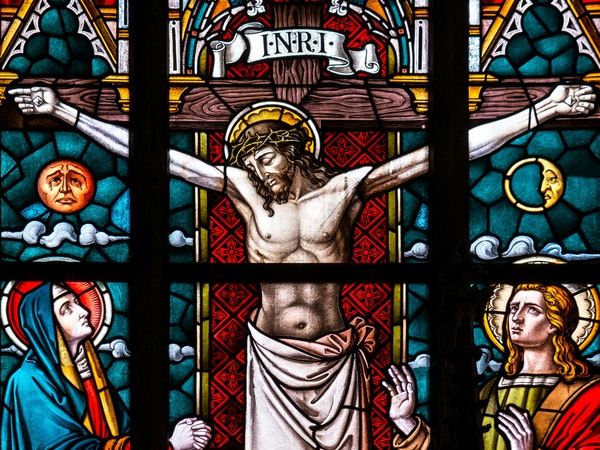
Ever since Resurrection Sunday I have been thinking about the crucifixion.  Here are a few thoughts I have been meditating on lately. When we look at the cross we see an intersection between the vertical and horizontal: the beams are not in-line with one another, but they are perpendicular.  So many things about the cross run…

Judah Gone Bad

This post was accidentally posted several days ago because of a glitch in our post scheduling system...and we weren't even done writing it yet!  We are sorry for this accident.  Here is the full post. The Hebrew name Judah means "praise."  Because of this, Biblical episodes involving the patriarch Judah, or the tribe of Judah,…

Pronoun Problems: Genesis 1:26

Occasionally our good Trinitarian friends point to Bible verses that seem to describe God with plural pronouns (verses like "let us make man in our image").  Then they use these plural pronouns to teach that God is more than one person.  They believe these plural pronouns support the Trinity doctrine, which teaches that God is…

Thy Throne, O God

Sometimes a translation difference can have massive implications for our theology.  Take Hebrews 1:8 for example.  Today we are going to examine how this verse should be translated, and why.  The way that we translate the original Greek text of Hebrews 1:8 greatly influences what we teach concerning the divine nature of Jesus Christ.  Compare…